Letter From The Editor, John Norris
If you had told me on February 27, 2026, the U.S. would start a war with Iran the next day and the S&P 500 would rally over 15% during the second quarter of 2026, I would have thought you were crazy. After all, weren’t we afraid a war with the Iranians would or could get really ugly really quickly? That the price of crude oil would skyrocket? Taking the global economy along with it?
Or so we thought.
To be sure, the mess in the Middle East hasn’t been as clean as this American would have liked. Theocracy hasn’t fallen yet, but the conflict hasn’t really spread as much as many may have feared. To be sure, crude oil prices shot up in March and April, but they came back down pretty sharply in May and June.
As for the economy, the Bureau of Economic Analysis (BEA) announced in June the U.S. economy grew at a 2.1% annualized rate during the first quarter of 2026. (1) Unless all the economic data we have seen since the end of March has been wrong, the economy likely grew modestly during the second quarter as well.
Put another way, IF war with Iran was expected to significantly weaken the U.S. economy, we didn’t appear to get the message. That, or it was garbled in transmission.
Read Our Letter from Our Chief Economist
Scroll below for individual article highlights

Third Quarter Predictions
What could the next six months bring? Oil prices, Treasury yields and AI investment are just a few of the themes our Investment Committee is watching through the end of 2026.

Second Quarter Equities
Despite higher oil prices and inflation concerns, corporate earnings remained the primary driver of equity markets.

Key Takeaways from Q2
What mattered most this quarter? From interest rates and inflation to AI, IPOs and the economy, here are our key takeaways on the developments that shaped the second quarter of 2026.

Asset Allocation: Second Quarter 2026
Easing geopolitical tensions, resilient economic data and improving market breadth created a more constructive investment environment during the second quarter. Even so, we continue to favor a balanced and disciplined portfolio.
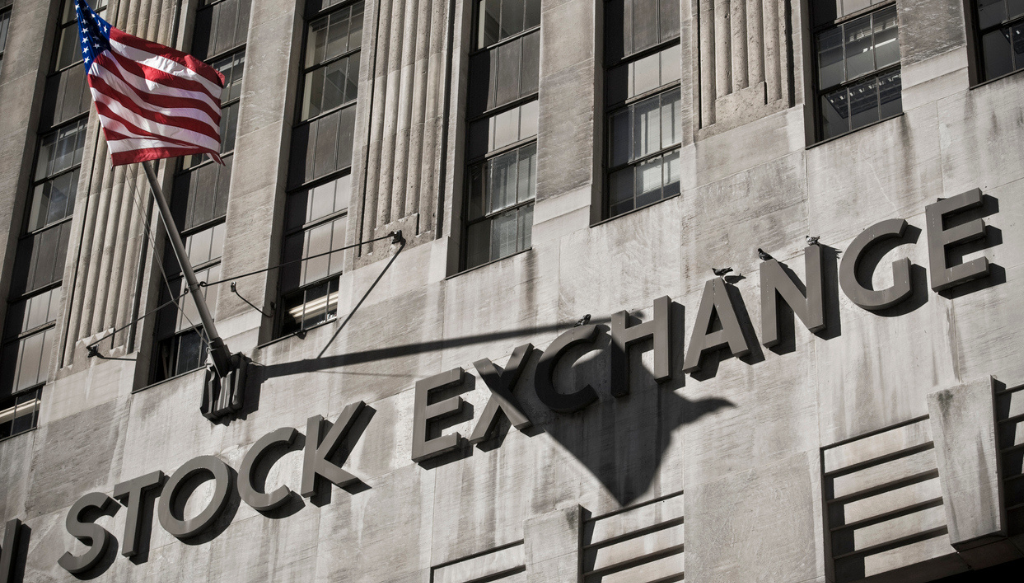
Special Report: IPOs
Why waves of new public offerings can reveal as much about investor sentiment as they do about the companies going public.
About Macro & Market Perspectives:
This communication is provided for informational and educational purposes only and should not be construed as investment, legal, tax, accounting or other professional advice. The views and opinions expressed are those of the author(s) as of the publication date and are subject to change without notice. The information presented is general in nature and is not intended to address the specific objectives, financial situation or particular needs of any individual investor, account, or client relationship. Nothing contained herein constitutes a recommendation to buy, sell or hold any security, investment product or investment strategy, nor should any information presented be relied upon as the basis for making an investment decision. References to specific securities, companies, industries, sectors, market indices, economic conditions, political developments or geopolitical events are provided solely for informational and illustrative purposes and should not be interpreted as investment recommendations, endorsements or predictions of future investment results. Investment strategies discussed may not be suitable for all investors. Individuals should consult their own financial, legal, tax, accounting and other professional advisers before making any financial decisions. This communication contains general information that may not be suitable for every investor and may be based on assumptions, estimates, opinions and forward-looking statements that are subject to change. Actual results may differ materially from those expressed or implied and no assurance can be given that any expectations, forecasts or opinions discussed herein will be realized. Investing involves risk, including the possible loss of principal. Past performance is not indicative of future results and should not be relied upon as a predictor of future performance. There is no guarantee that any investment strategy will achieve its objectives or avoid losses. Any references to market indices are provided for illustrative purposes only. It is not possible to invest directly in an index. Index performance reflects the reinvestment of dividends, where applicable, but does not reflect the deduction of fees, expenses or transaction costs, which would reduce returns. It should not be assumed that any client account will achieve returns comal arable to any index discussed. Information contained herein may be obtained from third-party sources believed to be reliable; however, Oakworth Asset Management LLC and Oakworth Capital Bank do not warrant or guarantee the accuracy, completeness or timeliness of such information. References or links to third-party content are provided solely as a convenience and do not constitute an endorsement of any third-party views, products, or services. Oakworth Asset Management LLC does not provide legal or tax advice. Individuals should consult their attorney, accountant, or tax adviser regarding their specific circumstances.
About Oakworth:
Oakworth Capital Bank, Member FDIC, Equal Housing Lender, provides commercial and private banking, wealth management and advisory services. Advisory Services, including investment management and financial planning, are offered through Oakworth Asset Management LLC, a registered investment advisor. Oakworth Asset Management LLC is owned by Oakworth Capital Bank. Investment products and services offered via Oakworth Asset Management LLC are independent of the products and services offered by Oakworth Capital Bank, and are not FDIC insured, may lose value, have no bank guarantee, and are not insured by any federal or state government agency. Because of the ownership relationship and involvement by Oakworth Asset Management LLC associates with Oakworth Capital Bank, there exists a conflict of interest to the extent that either party recommends the services of the other. Oakworth Asset Management LLC does not provide tax or legal advice. You should consult your tax advisor, accountant, and/or attorney before making any decisions with tax or legal implications. For additional information about Oakworth Asset Management LLC, including its services and fees, visit adviserinfo.sec.gov.